New HVAC system cost: what affects the price
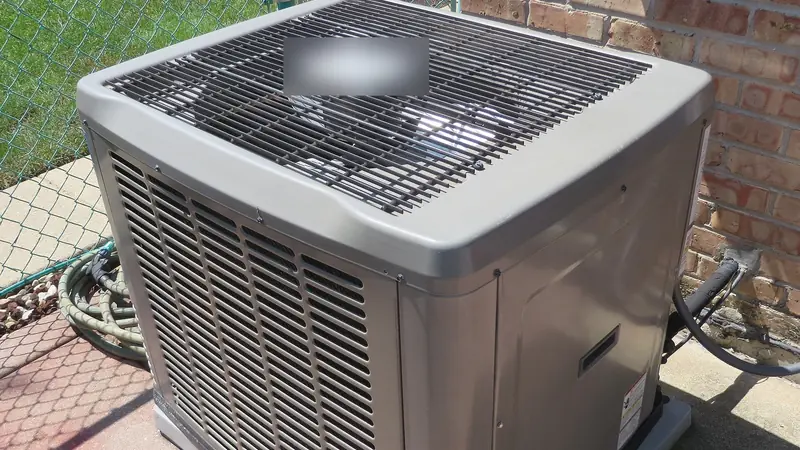
Photo: H Padleckas, Wikimedia Commons, CC BY-SA 3.0 (cropped, badge blurred)
If you're researching the cost of a new HVAC system, you've probably noticed that quotes can vary a lot. That's because no two homes are the same. The price of a new heating and cooling system depends on what kind of system you choose, the size and layout of your home, the condition of your ductwork and the contractor you hire.
This guide explains the main factors that affect what you'll pay, so you can understand your quotes and ask the right questions. Prices vary widely by region and by home, so the only way to know your actual cost is to get quotes from local pros.
1. The type of system
The biggest factor is the kind of system you're installing. Common options include:
- Central air conditioner with a furnace. A traditional split system: an outdoor AC unit paired with an indoor gas, oil or electric furnace.
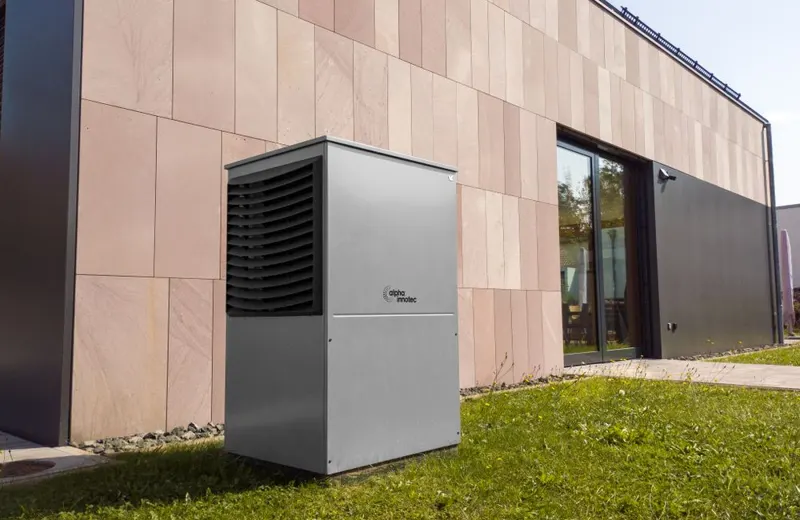
- Heat pump. One system that both heats and cools by moving heat in or out of your home. Some homes pair a heat pump with a furnace as backup (often called a dual-fuel or hybrid system).
- Ductless mini-split. Wall-mounted indoor units connected to an outdoor unit, with no ductwork needed. Often used for additions, older homes without ducts, or room-by-room control.
- Packaged unit. All components in a single outdoor cabinet, common in some regions and in homes without much indoor space.
Replacing only one part (for example, just the AC) usually costs less than replacing a full system, but a pro may recommend replacing matched components together so they work efficiently.
2. Home size and correct sizing
Larger homes generally need higher-capacity equipment. But bigger isn't always better: a system that's too large can turn on and off frequently, wear out faster and leave the home feeling humid, while one that's too small will struggle on the hottest and coldest days.
A good contractor should size the system based on a load calculation (often called a Manual J), which looks at your home's square footage, insulation, windows, layout and climate, rather than simply matching the size of your old unit.
3. Efficiency ratings
Higher-efficiency equipment typically costs more up front but can use less energy to run. Look for these ratings on quotes:
- SEER2 for cooling efficiency (air conditioners and heat pumps).
- HSPF2 for heat pump heating efficiency.
- AFUE for furnace efficiency.
Minimum efficiency requirements can differ by region. Some high-efficiency systems may also qualify for utility rebates or tax incentives. Ask your contractor and check current programs with your utility and official government sources, as these change over time.
4. Ductwork
Ductwork can have a big effect on the total cost. If your existing ducts are in good shape and correctly sized, they may be reused. If they're leaking, damaged, poorly insulated or the wrong size for the new system, they may need sealing, repairs or replacement. Homes with no ductwork at all may need new ducts installed, or may be good candidates for a ductless system instead.
5. Labor and installation complexity
Installation labor is a significant part of any HVAC quote. Costs tend to rise when equipment is hard to reach (a tight attic or crawlspace), when the job involves changing fuel types, upgrading electrical service, moving equipment to a new location, or adding new refrigerant lines, drains or venting.
6. Permits, removal and extras
Many areas require a permit and inspection for HVAC replacement. Quotes may also include removal and disposal of the old equipment, a new thermostat, air filtration or humidity control, and warranty or maintenance plans. Check what's included so you're comparing like with like.
7. Where you live
Your region affects price in several ways: local labor rates, climate (which shapes the type and size of system you need), local codes and permit fees, and how busy contractors are. Demand often peaks during the hottest and coldest parts of the year, so scheduling a replacement during milder seasons can sometimes give you more flexibility.
Estimate your HVAC project
Answer a few quick questions about your home and get matched with local pros who can give you a real quote.
Start estimate →How to compare quotes
- Get at least two or three written quotes from licensed, insured local pros.
- Ask each contractor whether they performed a load calculation.
- Compare the exact equipment (brand, model, size and efficiency ratings), not just the total price.
- Check what the warranty covers, for both equipment and labor, and whether registration is required.
- Ask whether permits, ductwork changes and old-equipment removal are included.
Frequently asked questions
How much does a new HVAC system cost?
It varies widely depending on the type of system, the size of your home, efficiency ratings, ductwork, installation complexity, permits and where you live. The most reliable way to know is to get written quotes from local licensed pros.
Should I replace my AC and furnace at the same time?
Not always, but many pros recommend replacing matched components together so they're compatible and run efficiently. Ask your contractor to explain the pros and cons for your home.
Are there rebates for high-efficiency HVAC systems?
Some utilities and government programs offer rebates or incentives for qualifying equipment. Programs change, so check with your utility and official sources before you buy.
Ready when you are. Get matched with a local HVAC pro
Editorial note: this guide is general information to help you research your project. It isn't professional, financial or legal advice. Every home is different; prices, codes and requirements vary by location, so always get advice and written quotes from licensed local pros.
- Photo: H Padleckas, Wikimedia Commons, CC BY-SA 3.0 (cropped, badge blurred)