Signs your roof may need replacing
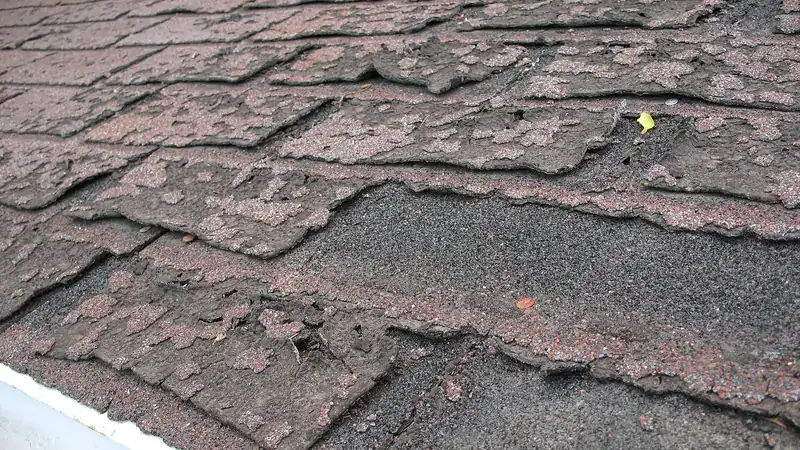
Photo: Dale Mahalko, Wikimedia Commons, CC BY-SA 3.0 (cropped)
Most roofs give you plenty of warning before they fail. The trick is knowing what to look for, and when a few missing shingles are a simple repair versus a sign that the whole roof is near the end of its life. This guide walks you through the most common warning signs, how to check for them safely, and what to do next.
You don't need to climb a ladder for most of these checks. A pair of binoculars, a look around your attic and a walk around your yard after a storm will tell you a lot.
How old is your roof?
Age is the first clue. Every roofing material has a typical lifespan, and that lifespan depends on the material, the quality of the original installation, how well the attic is ventilated and the climate where you live. Asphalt shingles generally wear out sooner than metal, tile or slate.
If you don't know when your roof was installed, check your home purchase paperwork, ask the previous owner, or look for a permit record with your local building department. A roof that is approaching the end of its expected life deserves a closer look even if it isn't leaking yet.
Warning signs you can see from the ground
- Curling, cupping or buckling shingles. Shingles that no longer lie flat are often worn out or affected by heat and moisture from a poorly ventilated attic.
- Missing or cracked shingles. A few after a storm can usually be repaired. Widespread damage across several areas is a bigger concern.
- Bald spots and granule loss. Asphalt shingles are covered in granules that protect them from the sun. Patches where the granules are gone, or lots of granules collecting in your gutters, suggest the shingles are aging.
- Sagging. A roofline that dips or looks wavy can point to a problem with the decking or structure underneath. This should be checked by a professional promptly.
- Moss, algae or dark streaks. Streaks are often cosmetic, but thick moss holds moisture against the roof and can lift shingles over time.
- Damaged flashing. The metal strips around chimneys, vents and skylights are common leak points. Look for gaps, rust or lifted edges.
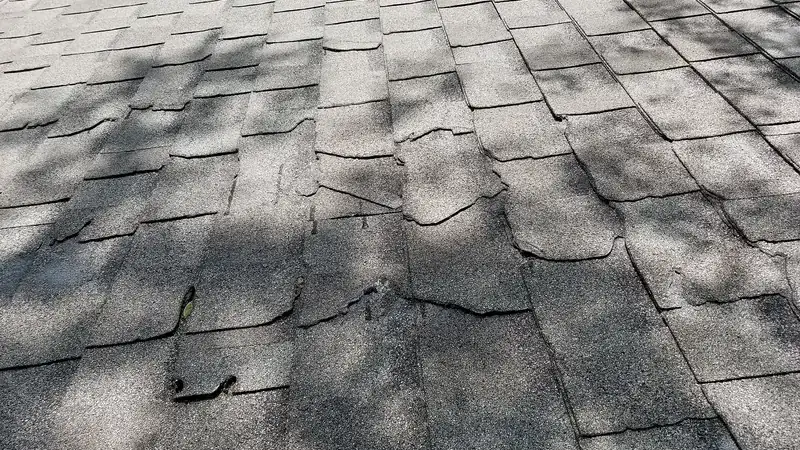
Photo: Samuel Bolton, Wikimedia Commons, CC BY-SA 4.0 (cropped)
Signs inside your home and attic
Some of the clearest signs show up indoors. On a bright day, go into your attic (if it is safe to do so) and look for:
- Daylight coming through the roof boards.
- Water stains, dark spots or damp insulation.
- Sagging or soft-looking decking between the rafters.
- A musty smell, which can point to trapped moisture.
Inside your living space, watch for water stains on ceilings or upper walls, peeling paint near the ceiling, or rising energy bills that could be linked to poor ventilation or damaged insulation.
Repair or replace?
Not every problem means you need a new roof. A repair often makes sense when damage is limited to one area, the roof is relatively young, and the decking underneath is sound. A replacement is more likely to be the better option when:
- The roof is near or past its expected lifespan.
- Problems are spread across many areas rather than one spot.
- You've had repeated leaks or repairs.
- The decking is soft, rotted or sagging.
Some homeowners also choose to replace a roof before selling a home, or after storm damage that may be covered by their homeowners insurance. If storm damage is involved, contact your insurer to understand your policy before work begins.
After a storm: what to do
High winds, hail and fallen branches can damage a roof that was otherwise in good shape. After a major storm, walk around your home and look for shingles in the yard, dents in gutters and vents, and new stains inside. Take photos with dates. Avoid going up on the roof yourself, especially when it is wet.
Be cautious of anyone who knocks on your door right after a storm offering an on-the-spot deal. Take your time, check licensing and insurance, and compare more than one opinion.
Next steps
If you've spotted one or more of these signs, the best next step is a professional roof inspection. A licensed local roofer can confirm what's going on, tell you whether a repair will do the job, and explain your options for materials if a replacement is needed. Ask for a written estimate and compare it with at least one other quote before making a decision.
Frequently asked questions
How do I know if my roof needs replacing or just repairing?
Localized damage on a younger roof is often repairable. Widespread wear, repeated leaks, an aging roof or soft decking usually point toward replacement. A local roofer's inspection is the best way to know for sure.
Can I check my roof myself?
You can check a lot from the ground with binoculars and from inside your attic. Leave walking on the roof to a professional, as it can be dangerous and can damage shingles.
Does homeowners insurance cover roof replacement?
It depends on your policy and the cause of the damage. Sudden damage from storms may be covered, while wear and tear from age usually is not. Check with your insurer.
Ready when you are. Get matched with a local roofing pro
Editorial note: this guide is general information to help you research your project. It isn't professional, financial or legal advice. Every home is different; prices, codes and requirements vary by location, so always get advice and written quotes from licensed local pros.
- Photo: Dale Mahalko, Wikimedia Commons, CC BY-SA 3.0 (cropped)
- Photo: Samuel Bolton, Wikimedia Commons, CC BY-SA 4.0 (cropped)